
Houston Metro · Q2 2026
Houston
The most accessible entry point into Texas homeownership
Houston is the most affordable major metro in Texas — and in 2026, that affordability comes with a buyer's market on top of it. The most economically diversified city in the state, anchored by the world's largest medical complex, the #1 U.S. port by foreign tonnage, and a job market that doesn't rise and fall with oil prices the way it once did. For first-time buyers and budget-conscious relocators, no Texas city offers more.
Median Home Price
$270K
Houston MSA · Q2 2026
YoY Change
−2.8%
Cooling buyer's market
Market Status
Buyer's
Broad inventory available
Days on Market
64 days
Q2 2026 average
Cost of Living
−7% vs. US
Below national average
Homestead Exemption
$140K
On assessed value
Economy Snapshot
Best Fit For
Sources: TRERC · Redfin · Zillow · U.S. Census · FEMA Flood Maps · Texas Medical Center · Port of Houston · Updated Q2 2026
Houston is the most economically diverse city in Texas — and arguably in the United States. The energy sector that built the city is now one of many pillars rather than the only one. The Texas Medical Center employs 106,000 people and is the largest medical complex on earth. The Port of Houston is the #1 U.S. port by foreign tonnage. NASA's Johnson Space Center anchors a growing aerospace ecosystem. The combined result is a job market that doesn't rise and fall with oil prices the way it once did, and a cost of living that remains 7% below the national average despite the city's scale.
For buyers, the 2026 Houston market offers a combination that is genuinely rare among major American cities: a buyer's market, a broad inventory, a median price of $270,000, and a cost of living that makes a $270,000 home feel like far more than it would anywhere else. Prices are down 2.8% year-over-year, days on market have extended to 64 days, and sellers are active negotiators. This is a city where the entry point to homeownership is real for households earning $65,000 or more.
The caveat that every honest Houston profile must lead with: flooding. Houston sits on a flat coastal plain with inadequate natural drainage and a history of significant flood events. The 2017 Hurricane Harvey flood affected more than 154,000 homes. This is not a reason to avoid Houston — millions of people live here successfully — but it is a reason to do your homework. FEMA flood maps, elevation certificates, and flood insurance premiums should be part of every purchase decision, not an afterthought.
“No Texas city offers first-time buyers and budget-conscious relocators more value per dollar. The question isn't whether Houston makes sense — it's which Houston neighborhood is right for you.”
— HavenQuest Texas Market Intelligence, Q2 2026
Market Snapshot · Q2 2026
Median Price
$270K
Houston MSA
YoY Change
−2.8%
Cooling gradually
Market Status
Buyer's
Broad inventory
Avg. Days on Market
64
Q2 2026
Cost of Living
−7%
vs. national average
Homestead Exemption
$140K
Raised by 2024 ballot
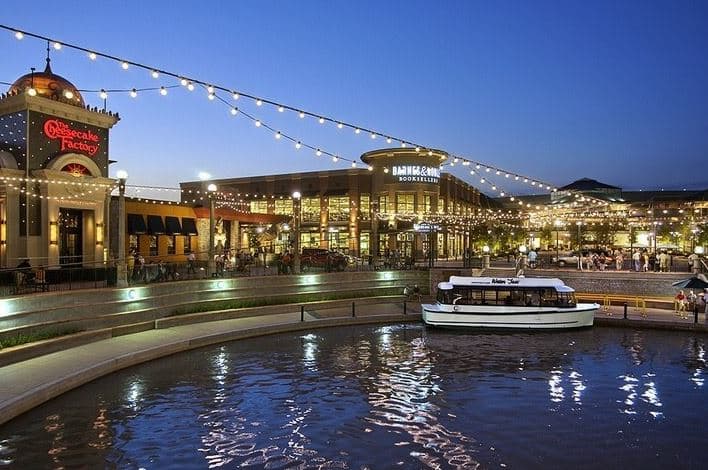
Economy & Jobs
Houston's economy has diversified dramatically over the past two decades. Energy remains important — Chevron, ExxonMobil, Shell, BP, and ConocoPhillips all have significant operations here — but healthcare, aerospace, maritime, manufacturing, and international trade now employ comparable numbers. The Texas Medical Center alone generates more than $20 billion in economic output annually. NASA's Johnson Space Center has anchored a space and aerospace corridor that includes SpaceX operations. The port's activity supports tens of thousands of logistics and trade jobs. Houston is genuinely a post-oil city that still benefits from oil.
Texas Medical Center
106K jobs
World's largest medical complex
Port of Houston
#1 US Port
By foreign tonnage
NASA JSC
Aerospace hub
Johnson Space Center
COL vs. National
−7%
Below US average
Energy Anchors
5 majors
Chevron, Exxon, Shell, BP, COP
Unemployment
4.1%
Near US average
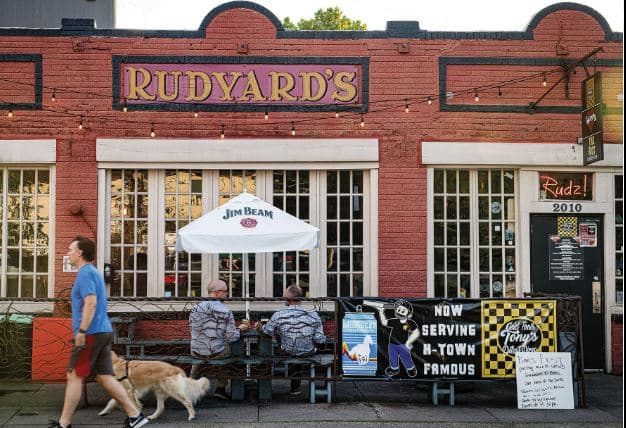
Inner-loop Houston offers walkability and urban amenities
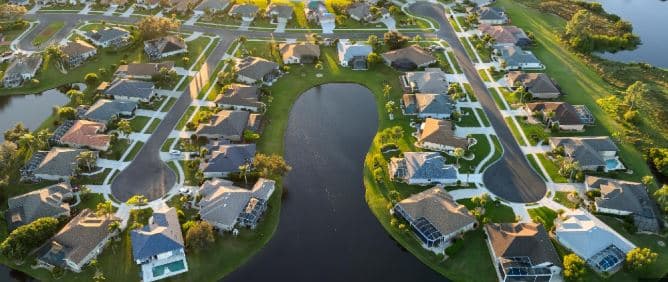
The suburbs deliver the best value and school access
Submarket Breakdown
Houston's suburbs are organized by geography: northwest (Katy, Cypress, Fulshear), north (The Woodlands, Spring, Conroe), southwest (Sugar Land, Missouri City), and southeast (Pearland, League City). Each corridor has its own character. The inner loop offers urban lifestyle at a premium. Master-planned communities are a Houston signature — from The Woodlands to Fulshear, these are fully designed live-work-play environments.
| Community | Character | Best For | Price Tier |
|---|---|---|---|
| The Woodlands | Premium master-planned, wooded | Families, executives, Medical Center | $380K–$900K |
| Sugar Land | Established suburb, diverse | Families, energy workers | $320K–$650K |
| Katy | Value master-planned, fast-growing | Families, first-time buyers | $280K–$520K |
| Cypress | Suburban, newer development | Young families, commuters | $270K–$480K |
| Fulshear | Fastest-growing, new construction | Young families, value seekers | $340K–$600K |
| The Heights / Montrose | Urban, walkable, historic | Young professionals, urban buyers | $450K–$900K |
| West University / River Oaks | Affluent, urban | High-income professionals | $900K–$3M+ |
| Pearland | Southeast suburb, value | Families, Medical Center workers | $260K–$440K |
| League City / Clear Lake | NASA corridor, waterfront options | Aerospace workers, families | $270K–$500K |
| Conroe | North suburb, Lake Conroe access | Retirees, families, value seekers | $220K–$420K |
School Districts
The suburban ISDs around Houston are consistently strong and are the primary driver of family suburb selection. Houston ISD (HISD) serves the city proper and is the largest district in Texas — quality varies enormously by campus, and families should research individual schools rather than relying on the district rating alone.
| District | Coverage Area | Reputation |
|---|---|---|
| Katy ISD | Katy, portions of Cypress, Fulshear | Excellent |
| Fort Bend ISD | Sugar Land, Missouri City, Richmond | Excellent |
| Conroe ISD | The Woodlands, Spring, Conroe | Very good |
| Clear Creek ISD | League City, Clear Lake, Friendswood | Very good |
| Cy-Fair ISD | Cypress, parts of NW Houston | Good–Very good |
| Houston ISD | City of Houston core | Variable — research by campus |
⚠ Flood Risk — Read Before You Buy
Houston sits on a flat coastal plain with clay-heavy soil and a history of major flood events — most notably Hurricane Harvey (2017), which flooded over 154,000 homes. Many communities have since invested heavily in drainage infrastructure, but flood risk remains a real factor in purchasing decisions.
Before you close:Check the property's FEMA flood zone designation, order an elevation certificate, get flood insurance quotes for all flood zones (not just Zone AE), and ask the seller for flood history. Homes in Zones X (low risk), C, and B are generally insurable at standard rates. Flood insurance through the NFIP averages $800–$2,400/year depending on elevation and zone. This is a non-negotiable line item in any Houston budget.

True Cost of Homeownership
The example below models a $270,000 purchase at the metro median, with 20% down ($54,000), a 6.75% 30-year mortgage, and Houston's typical 2.0% effective property tax rate. Flood insurance is included as a separate line item for Zone AE properties — verify before assuming Zone X applies to your specific address.
Est. Monthly Mortgage
$1,405
$216K balance · 6.75% · 30yr
Est. Property Tax
~$360/mo
After $140K homestead exemption
Est. Homeowner's Insurance
~$160/mo
Incl. flood ins. for Zone AE
Total Monthly Housing
~$1,925
Before HOA or utilities
Flood insurance cost varies significantly by property elevation and FEMA zone. Confirm zone status and get a quote before closing — it can range from $400/year (Zone X) to $2,500+/year (Zone AE, low elevation).
Honest Assessment
Strong fit if...
- ✓You are a first-time buyer or budget-conscious relocator
- ✓You work in energy, healthcare, aerospace, or maritime
- ✓Master-planned communities appeal to your lifestyle
- ✓You understand and can manage flood risk properly
- ✓Value per dollar is a primary decision factor
- ✓Your household income is $65,000–$100,000
May not be the right fit if...
- —Flooding or hurricane risk is a non-starter concern
- —You prioritize outdoor / hiking / mountains lifestyle
- —You strongly prefer walkable urban neighborhoods
- —Heat and humidity are a major quality-of-life factor
- —You need a Hill Country or coastal proximity lifestyle
- —You dislike sprawling freeway-dependent geography
Sources: TRERC · Redfin · Zillow · Dallas Fed · U.S. Census · Texas.gov · Updated Q2 2026
Find My Texas →